
Mission
Cultivating Resistance is an arts and cultural nonprofit dedicated to advancing community health, education, and resilience through traditional healing practices. Our goal is to transform individual healing into collective empowerment.
Cultivating Resistance is a registered 501(c)3
Executive Director
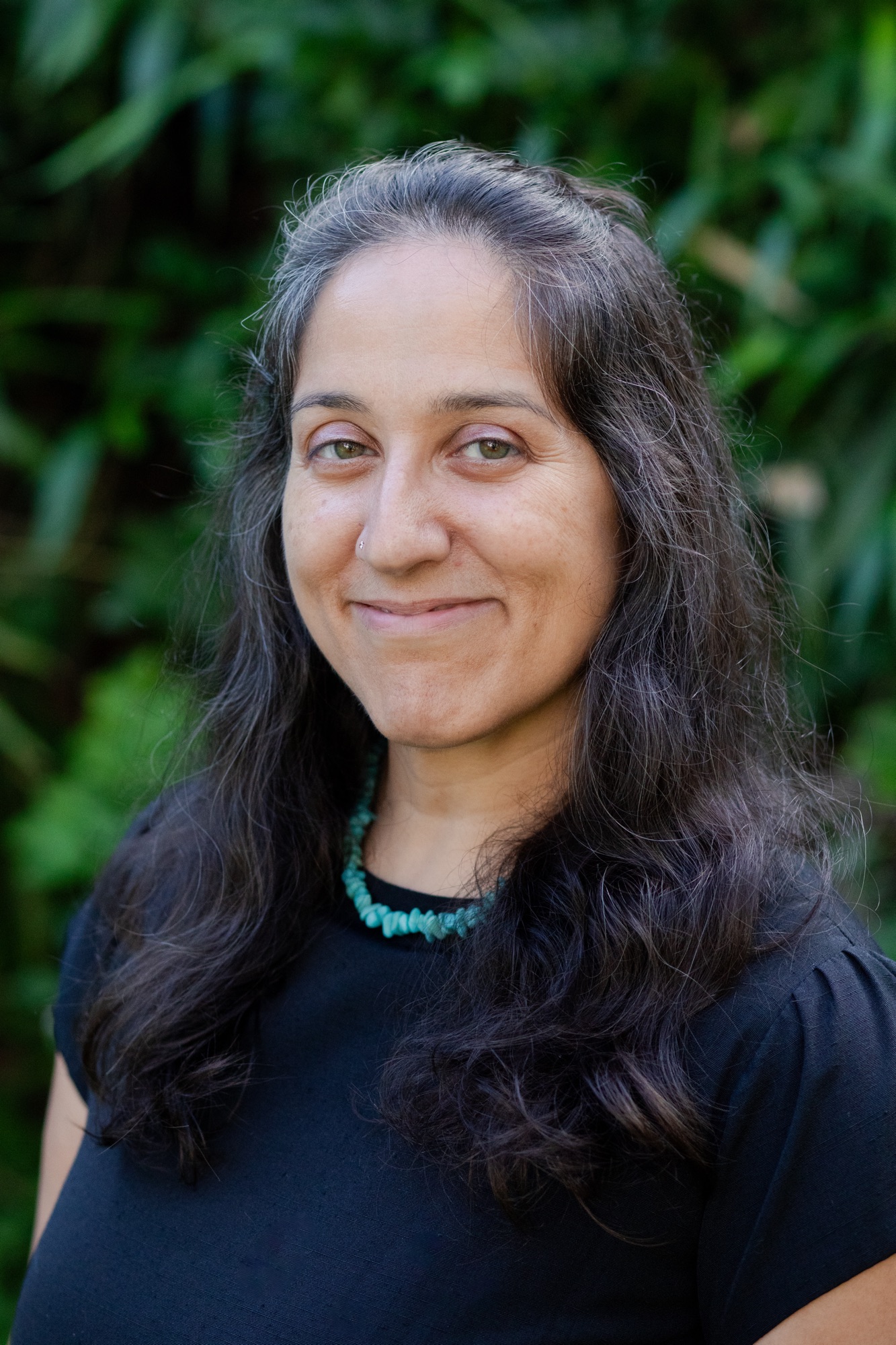
Hi! I’m Monica Rivera–mama of two, farmer, herbalist, yoga teacher, Ayurvedic practitioner, and cultural arts weaver.
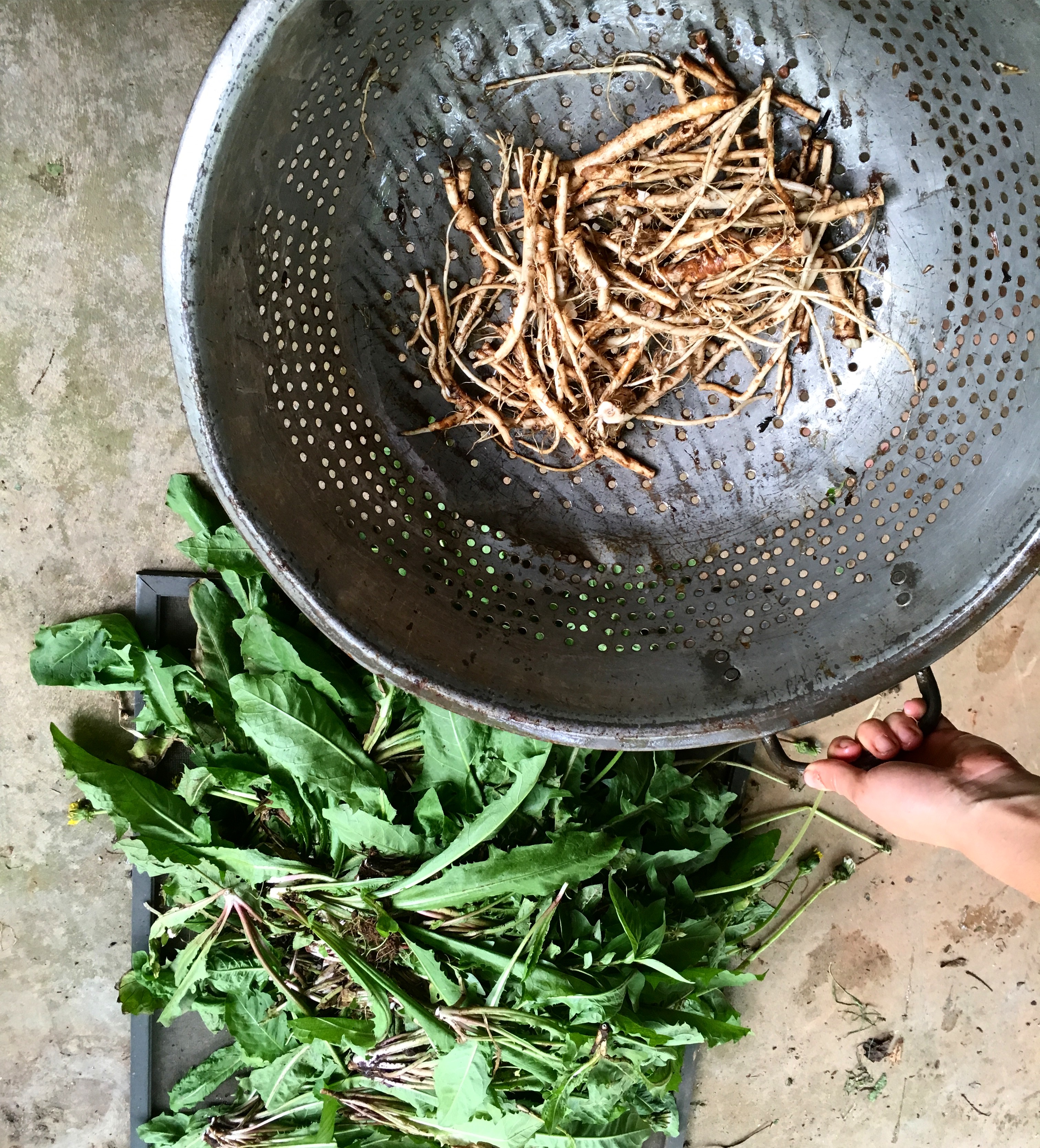
I grew up with a deep love for the wild and cultivated plants around me. I remember climbing up the mulberry and apple trees in my backyard to pick fruit, eating sour grapes too early off the vine in between sweet cherry tomatoes, and tucking myself underneath the queen annes lace flowers as a little one. I learned about dandelion greens, canning vegetables, and making delicious soil from my grandfather who always told me he grew vegetables out of necessity, but when he passed away I found two decades worth of an Organic Gardening magazine subscription in his grow room. I am lucky to have grown up the daughter of Indian and Italian immigrants who retained enough of their culture to teach me a lot about food as medicine.
I have an academic background in the biology of bodies and disease, and I studied reproductive health in women’s circles and community clinics. Because I lived and worked in rural and poor communities that are disproportionately affected with chronic illnesses due to industrial waste, poor nutrition, and limited access to preventative care—all of which come from widespread social inequalities and are fueled by the pharmaceutical industry—I left the research of medicine and started to pursue more holistic and accessible forms of healing and medicine.
In 2007, I met my herbal mentor: the magical, intuitive herbalist, Suki Roth, and I was lucky enough to be her apprentice at Herb Haven in Alamance County for ten years. Suki has been practicing herbal medicine for over two decades, helping individual clients, collaborating with physicians and other health care practitioners, and selling products at all the local health food stores. Suki stewards a beautiful piece of land with hiking trails, medicinal herb gardens, and an apothecary. At Herb Haven, I learned plant identification, cultivation, medicinal preparation, and clinical diagnosis–and I’ve learned how to be in deep relationship and communication with healing plants.

I also have training in Ayurveda, the ancient healing art originating from the Indian subcontinent. Ayurveda uses an elemental approach to understand the world and the cosmos, what causes disease, and how to affect health in the body, mind and spirit. I took a year-long intensive course through the Chapel Hill School of Ayurveda, and I continue to study the intricacies of Ayurvedic pulse and constitutional diagnosis, nutrition and herbal supplementation, and breathwork and energetic (marma) treatment. I am a certified Reiki master and am working on my Reiki master teacher’s certification. Reiki is a form of energy work that is rooted in Ayurveda, Traditional Chinese Medicine, and old Japanese healing arts. I have been studying Reiki for a decade and currently work with clients in private practice and through monthly Reiki free clinics in Durham.
I am a community herbalist. My herbal training is based in eclectic, vitalist, and Ayurvedic traditions that extend back many generations in my family’s history. I use a marriage of clinical scientific, intuitive, and elemental approaches to my work, and my training in Reiki energy work informs my practice with plants and human creatures.
Board of Directors
Bios coming soon 🩷
What is herbalism?
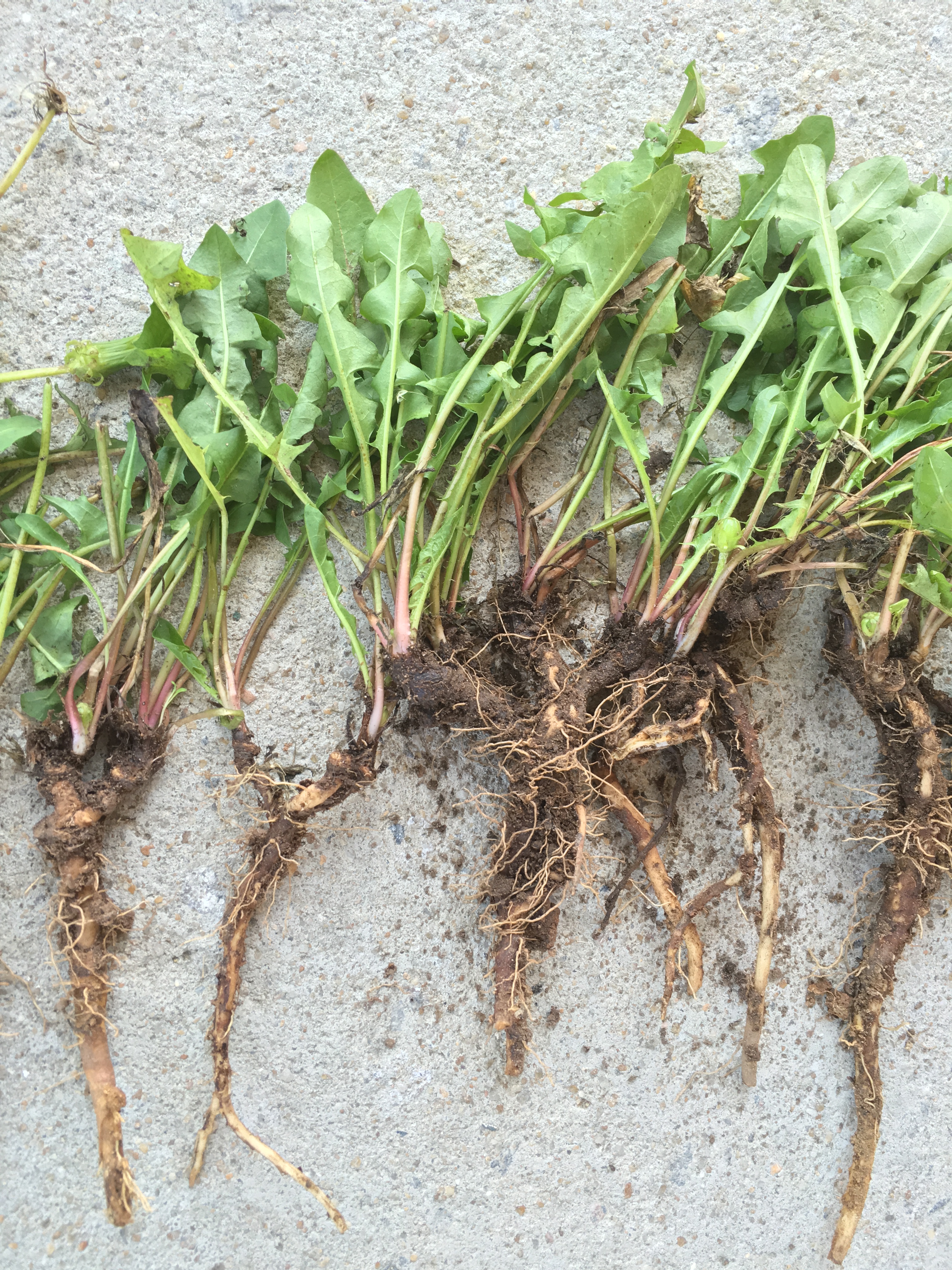
The study of herbal medicine is a way of connecting with the healing power of plants. All plants, including the cultivated foods we eat, culinary spices, and wild medicinal plants, have effects on the health and healing capacity of the body. You’ve heard, “you are what you eat” or “eating carrots helps your eyesight.” Herbalism extends these ideas, reminding us how plants can help prevent, treat, and recover from illness and injury.
What can herbal medicine do?
Ayurvedic medicine and vitalist herbalism believe that the body has the capacity to heal itself when given the right conditions: healthy body systems, good food, adequate sleep, and exercise. Herbal medicines can help your body get there. Medicinal herbs can support your digestive system to properly assimilate nourishment and eliminate toxins, can soothe and balance your nervous and adrenal systems to remediate stress and allow for proper rest, can strengthen your respiratory and cardiovascular systems to better feed all the muscles and organs in your body.
Herbal medicines can treat illnesses big and small, both acute and chronic–from a simple cold to complex autoimmune disorders, often with profound healing effects that allopathic medicine can’t offer. Herbal medicine can help bring your body’s systems back into balance after they have been disturbed by stress; environmental toxins; viruses, bacteria, and other parasites; and emotional and physical traumas. Because herbal medicines offer deep psychological and emotional support, they are especially useful as a part of a plan to treat current and past trauma. And like good food nutrients, herbal medicines are an essential part of preventative health care.
Where does herbalism come from?
Before colonization, most cultures had some sort of healing practice including herbal medicines. In many cultures, the study of the medicine in plants never stopped being practiced. Recently in the United States, there has been a resurgence of interest in herbal medicine. Most of the herbal medicine that is practiced in the US now takes some elements from “eclectic medicine” (a kind of european natural medicine mixed with what colonists took from indigenous peoples and African people who were enslaved in the 17-1900s), Traditional Chinese Medicine (TCM), Ayurvedic medicine, and traditions from countless Northern and Southern Hemispheric indigenous cultures and earth-based religious traditions.
Herbal medicine didn’t nearly die out simply on accident. The brutal processes of colonization–both the physical and the cultural genocide–did their best to destroy this knowledge and the people who carry it. As such, we (especially those of us with european ancestors) are required to be thoughtful about where the knowledge we acquire comes from and how we use it. (ie: let’s not steal indigenous medicines and then make our livelihoods selling them back to others.)


 Cultivating Resistance